
Western vs. Asian Beauty Trends: Key Differences Explained
Posted: Jul. 03, 2026
Beauty trends are constantly evolving, but one of the biggest distinctions in the global beauty industry is the difference between Western and Asian beauty philosophies. While both prioritize healthy, attractive skin and self-expression, their approaches, products, and beauty ideals often differ significantly.
In this guide, we'll explore the key differences between Western and Asian beauty trends, from skincare routines to makeup styles, helping you understand why each has gained such a loyal following.
The Philosophy Behind Beauty
One of the biggest differences isn't the products—it's the mindset.
Western Beauty Philosophy
Western beauty trends often focus on enhancing or transforming features. Makeup is commonly used to create bold looks, sculpt the face, and make a statement. Trends frequently change based on celebrities, fashion shows, and social media.
Common priorities include:
- Glamorous makeup
- Defined facial features
- Contouring and highlighting
- Bold lips and eyes
- Individual style and creativity
Asian Beauty Philosophy
Asian beauty, particularly from countries like South Korea and Japan, emphasizes preventing skin issues before they happen. The goal is to maintain naturally healthy, glowing skin that requires minimal makeup.
Common priorities include:
- Long-term skincare
- Hydration
- Gentle ingredients
- Youthful appearance
- Natural enhancement
Skincare: Prevention vs. Correction
Western Skincare
Western skincare routines typically focus on solving existing concerns such as:
- Acne
- Wrinkles
- Hyperpigmentation
- Dry skin
Products often contain stronger active ingredients like:
- Retinol
- Glycolic Acid
- Salicylic Acid
- Benzoyl Peroxide
Many routines consist of only a few essential products, making them quick and effective.
Typical Routine
- Cleanser
- Moisturizer
- Sunscreen (morning)
- Treatment serum (optional)
Asian Skincare
Asian skincare routines are famous for their layered approach. Instead of treating problems after they appear, the goal is to maintain the skin barrier and prevent damage.
Popular ingredients include:
- Centella Asiatica
- Snail Mucin
- Rice Extract
- Green Tea
- Hyaluronic Acid
- Ceramides
Common 7–10 Step Routine
- Oil Cleanser
- Water-Based Cleanser
- Exfoliator (1–2x weekly)
- Toner
- Essence
- Serum
- Sheet Mask (optional)
- Eye Cream
- Moisturizer
- Sunscreen
While the famous "10-step routine" gets the most attention, many people today use simplified routines with only the products their skin needs.
Makeup Styles
Western Makeup
Western makeup tends to create a dramatic, polished appearance.
Popular trends include:
- Full-coverage foundation
- Matte finishes
- Sharp eyebrows
- Contouring
- Bold eyeliner
- False eyelashes
- Matte lipstick
The goal is often to define facial structure and create contrast.
Asian Makeup
Asian makeup generally aims for a youthful, fresh appearance.
Popular features include:
- Lightweight foundation
- Dewy skin
- Soft brows
- Gradient lips
- Natural lashes
- Soft blush
- Minimal contour
Instead of changing facial features dramatically, makeup enhances them subtly.
Skin Finish
Western Trend
Many Western beauty trends alternate between:
- Matte skin
- Satin finish
- Bronzed complexion
Depending on current fashion, finishes may shift dramatically every few years.
Asian Trend
Glowing skin has remained popular for years.
Often described as:
- Glass Skin
- Dewy Skin
- Mochi Skin
- Honey Skin
These trends emphasize hydration and a healthy complexion rather than heavy makeup.
Sunscreen Culture
One of the biggest differences is the importance placed on sunscreen.
Western Markets
Although sunscreen use has increased significantly, many people still apply it only during outdoor activities or vacations.
Asian Markets
Daily sunscreen is considered an essential skincare step—even on cloudy days or when staying indoors near windows.
Many Asian sunscreens are also known for:
- Lightweight textures
- No white cast
- Comfortable wear under makeup
Beauty Standards
Western Beauty Trends
Often emphasize:
- Defined cheekbones
- Fuller lips
- Tanned skin
- Voluminous lashes
- Sculpted jawlines
These ideals frequently evolve with changing fashion trends.
Asian Beauty Trends
Often focus on:
- Clear skin
- Even skin tone
- Bright complexion
- Soft facial features
- Youthful appearance
Rather than dramatic transformation, the emphasis is usually on maintaining healthy-looking skin.
Popular Product Types
Western Favorites
- Foundation
- Concealer
- Bronzer
- Contour products
- Setting spray
- Mascara
Asian Favorites
- Cushion foundation
- BB Cream
- Essence
- Sleeping masks
- Sheet masks
- Lip tints
Ingredients You'll See More Often
Common in Western Products
- Retinol
- Vitamin C
- Niacinamide
- Glycolic Acid
- Salicylic Acid
- Peptides
Common in Asian Products
- Snail Mucin
- Centella Asiatica
- Rice Water
- Mugwort
- Propolis
- Heartleaf
- Fermented ingredients
Which Beauty Approach Is Better?
Neither Western nor Asian beauty trends are objectively better—they simply prioritize different goals.
Western beauty often focuses on:
- Bold self-expression
- Quick visible results
- Makeup artistry
- Corrective skincare
Asian beauty often emphasizes:
- Prevention
- Skin health
- Gentle routines
- Natural-looking results
Many beauty enthusiasts combine the best of both worlds by using Asian skincare products alongside Western makeup techniques, creating a routine that suits their personal preferences and skin needs.
The global beauty industry has become increasingly interconnected, making it easier than ever to explore products and techniques from around the world. Whether you prefer a bold, glamorous makeup look or a natural, glowing complexion, both Western and Asian beauty traditions offer valuable insights.
Ultimately, the best beauty routine is the one that works for your skin, fits your lifestyle, and helps you feel confident. Rather than choosing one philosophy over the other, consider blending elements from both to create a routine that's uniquely yours.
You May Like
@ALXLYNNHD
Korean Skincare Routine for Beginners
Korean skincare has become one of the biggest beauty trends in the world—and for good reason. Rather…
@ALXLYNNHD
How Beauty Filters Are Shaping Modern China
Scroll through any Chinese social media platform today, and you'll quickly notice a common trend…
@ALXLYNNHD
Why Korea Is Known as the Skincare Capital
When people think of innovative skincare, one country consistently stands out: South Korea. Over the…
@ALXLYNNHD
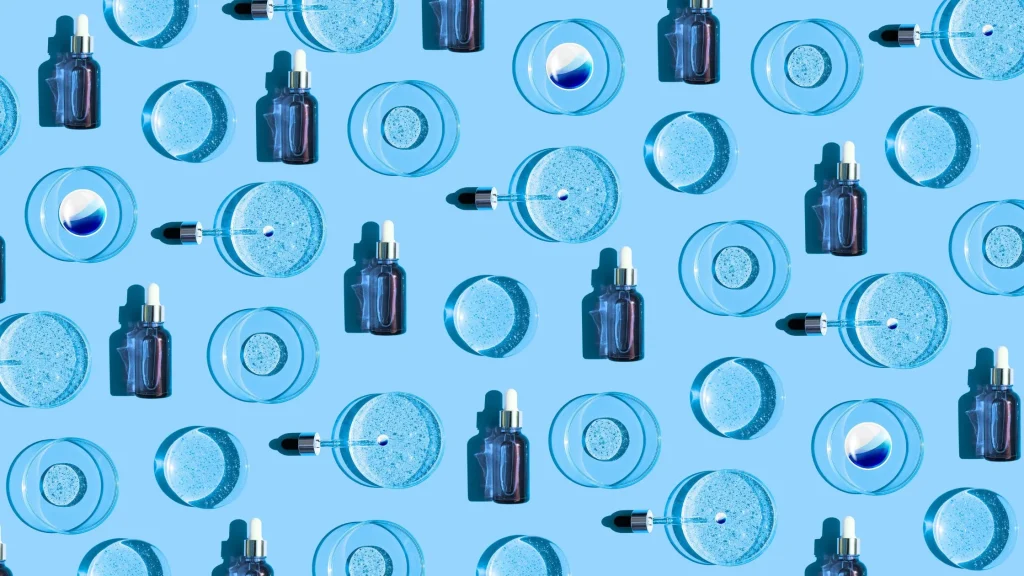
Top Beauty Trends in Asia
Asia has long been a global powerhouse in the beauty industry, influencing skincare, makeup, and…
@ALXLYNNHD
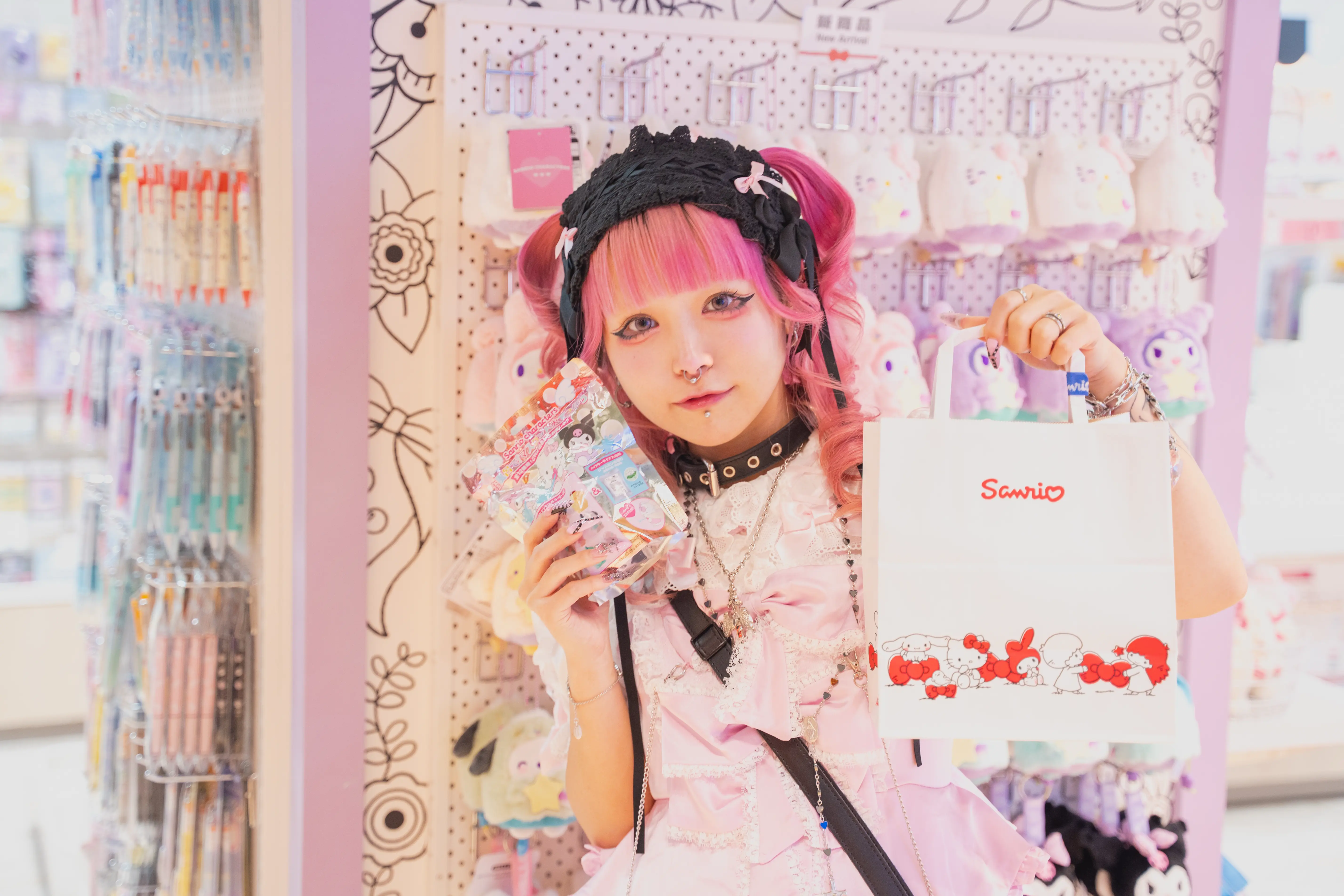
How to Style Your Hair in a Kawaii Fashion
Kawaii fashion is all about expressing cuteness, creativity, and individuality. Originating from…
@ALXLYNNHD
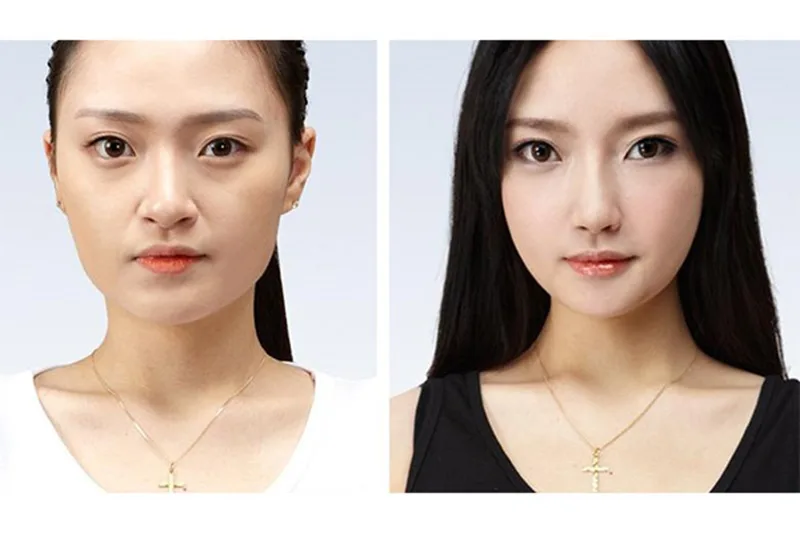
How Asian Beauty Standards Influence Western Norms
Beauty standards are constantly evolving, shaped by culture, media, technology, and globalization…