
Why Western Fashion Doesn't Make Sense in Japan
Posted: Jun. 04, 2026
Fashion is often described as a universal language, but the reality is that clothing choices are deeply influenced by culture, history, climate, and social expectations. What works perfectly in New York, Los Angeles, or London may feel completely out of place in Tokyo, Kyoto, or Osaka. While Western fashion trends dominate global media, many of them simply don't align with the values and practical realities of Japanese society.
Different Cultural Priorities
One of the biggest differences between Western and Japanese fashion is the role of individuality. In many Western countries, fashion is often used as a way to stand out and express a unique personal identity. Bold colors, attention-grabbing outfits, and highly individualistic styles are frequently celebrated.
In Japan, however, social harmony has historically been valued more highly than individual expression. This doesn't mean Japanese people don't care about fashion—in fact, Japan is home to some of the world's most influential fashion scenes. But everyday clothing often prioritizes fitting into a social environment rather than drawing attention to oneself.
As a result, many Western fashion trends can appear overly loud or aggressive in a Japanese context.
The Importance of Clean and Coordinated Looks
Western casual fashion often embraces a relaxed, effortless appearance. Torn jeans, oversized hoodies, athletic wear, and mismatched pieces are common and socially accepted.
Japanese fashion tends to place greater emphasis on coordination and presentation. Even casual outfits are often carefully planned, with attention paid to color balance, fit, and overall appearance. Clothing is frequently kept clean, wrinkle-free, and well-maintained.
Because of this difference, some Western styles that are considered fashionable elsewhere may be perceived as sloppy or unfinished in Japan.
Climate and Practicality
Many Western fashion trends originate in regions with different climates and lifestyles. For example, heavy layering, large winter coats, and certain footwear choices may be practical in parts of Europe or North America but less suitable for Japan's humid summers.
Japanese consumers often prioritize breathable fabrics, lighter layers, and clothing that can handle crowded public transportation. Fashion that ignores these practical concerns may struggle to gain widespread popularity.
Public Transportation Changes Everything
A significant portion of Japan's population relies on trains and buses rather than personal vehicles. This has a direct impact on clothing choices.
Outfits that are comfortable in a car-centric culture may be inconvenient when navigating crowded train stations, climbing stairs, or standing for long commutes. Large accessories, bulky clothing, or impractical footwear can become a burden in daily life.
As a result, Japanese fashion often balances style with mobility and convenience.
Modesty and Social Expectations
Although Japan has many fashion subcultures that push boundaries, mainstream fashion generally leans toward modesty compared to some Western trends.
Extremely revealing clothing, for example, may attract more attention than the wearer intends. In many situations, Japanese fashion emphasizes subtlety over overt displays of confidence or sexuality.
This doesn't mean one approach is better than the other. Rather, it reflects different cultural attitudes about public presentation and personal space.
Fashion Is Contextual
The idea that Western fashion "doesn't make sense" in Japan isn't really about one style being right or wrong. Fashion develops to meet the needs of the people who wear it. Western styles evolved within Western societies, while Japanese fashion evolved within Japanese society.
What looks natural in one country can seem unusual in another because the underlying cultural assumptions are different.
The most successful fashion choices are often those that understand the local environment rather than blindly importing trends from elsewhere.
Western fashion and Japanese fashion are built on different cultural foundations. Western styles often prioritize individuality, self-expression, and casual comfort, while Japanese fashion frequently emphasizes coordination, social awareness, practicality, and subtle presentation.
Neither approach is inherently superior. They simply reflect the values and lifestyles of the societies that created them. Understanding these differences helps explain why certain Western fashion trends may feel out of place in Japan, even when they are highly popular elsewhere.
You May Like

@ALXLYNNHD

Best Affordable Asian Fashion Brands
Looking stylish doesn't have to come with a luxury price tag. Across Asia, fashion brands have…
@ALXLYNNHD
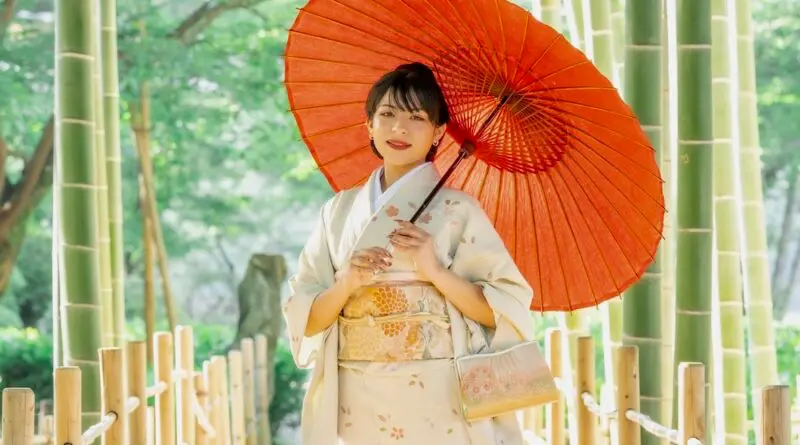
The Proper Way to Wear a Kimono
The kimono is one of Japan's most iconic traditional garments, recognized worldwide for its elegance…
@ALXLYNNHD
How to Style Your Outfits for Traveling to Asia
Traveling across Asia is an exciting experience filled with diverse cultures, climates, and fashion…
@ALXLYNNHD
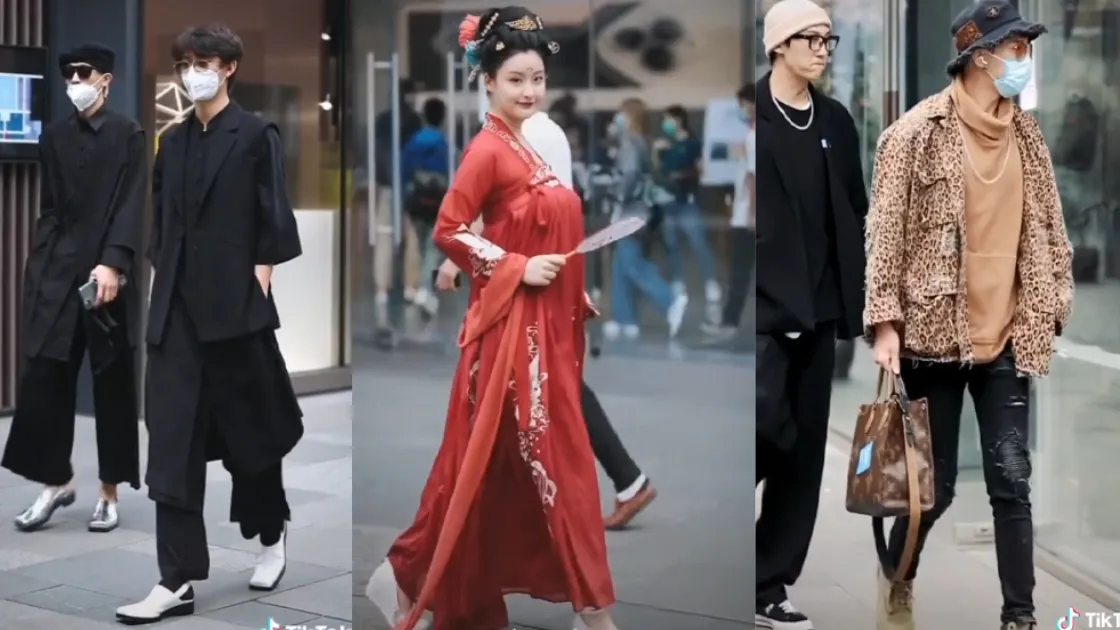
Fashion Trends from Asia That You Should Try
Asian fashion has become one of the biggest influences on global style over the past decade. From…