
The Rise of Solo Living Across Asia
Posted: Jul. 10, 2026
For generations, many Asian societies have placed a strong emphasis on family living, multigenerational households, and community-centered lifestyles. However, a significant shift has been taking place across the region. More people than ever are choosing—or finding themselves living—alone.
From bustling cities like Tokyo and Seoul to rapidly developing urban centers in Bangkok, Taipei, Singapore, and Kuala Lumpur, solo living has become one of the defining lifestyle trends of the decade. While the reasons vary from country to country, changing career priorities, delayed marriage, rising incomes, and evolving social attitudes are all contributing to this growing phenomenon.
Let's explore why solo living is becoming increasingly common across Asia and how it's reshaping housing, technology, consumer habits, and everyday life.
Why More People Are Living Alone
Several factors are driving the rise of one-person households.
Urbanization
As more people move to major cities for education and career opportunities, many choose to live independently rather than with family. Long commutes and demanding work schedules also make living close to city centers more practical.
Delayed Marriage
Marriage is happening later than ever in many Asian countries. Some adults remain single by choice, while others prioritize career growth or financial stability before starting a family.
Greater Financial Independence
Growing economies and higher wages in many cities have made it possible for more young professionals to afford living on their own, even if it means renting a smaller apartment.
Lifestyle Preferences
Many people simply enjoy the freedom that comes with having their own space. Living alone offers privacy, flexibility, and the ability to design daily routines without compromise.
Countries Leading the Trend
Japan
Japan has long been considered one of the world's leaders in solo living. One-person households account for a large share of homes, particularly in cities like Tokyo and Osaka.
Compact apartments, convenience stores open around the clock, and an abundance of single-serving meals make living alone both practical and accessible.
South Korea
South Korea has experienced rapid growth in single-person households over the past decade.
The rise of the honjok lifestyle—a term describing people who enjoy doing activities alone, such as dining, shopping, or traveling—has become a significant cultural movement. Businesses now actively cater to solo consumers.
Singapore
Although housing policies encourage family living, more Singaporeans are delaying marriage and pursuing independent lifestyles. As a result, demand for smaller apartments and flexible housing options continues to increase.
Taiwan
Taiwan's younger generations increasingly value independence and work-life balance. Living alone has become more socially accepted, especially in Taipei, where many professionals prioritize convenience and career opportunities.
How Businesses Are Adapting
Companies across Asia are responding to the growing number of solo consumers.
Restaurants
Restaurants are redesigning seating layouts with individual tables and counter seating. Single-person hot pot restaurants and ramen shops have become especially popular.
Grocery Stores
Supermarkets now stock more single-serving meals, smaller produce packages, and ready-to-eat options designed for one-person households.
Housing
Developers are building more:
- Studio apartments
- Micro-apartments
- Co-living communities
- Smart apartments
These homes often prioritize efficient layouts and shared amenities over larger living spaces.
Technology
Smart home devices have become increasingly valuable for people living alone.
Popular products include:
- Smart doorbells
- Robot vacuum cleaners
- Voice assistants
- Smart lighting
- Home security cameras
These technologies offer both convenience and peace of mind.
The Financial Side of Solo Living
Living alone offers freedom, but it also comes with financial challenges.
Without roommates or family members to split expenses, individuals must cover:
- Rent
- Utilities
- Internet
- Groceries
- Household supplies
As housing prices continue to rise in many Asian cities, affordability remains one of the biggest concerns for solo residents.
Some people choose co-living spaces as a middle ground, allowing them to enjoy private bedrooms while sharing common areas and reducing overall costs.
Mental Health and Social Connections
Living alone doesn't necessarily mean feeling lonely.
Many solo residents build strong social lives through:
- Hobby groups
- Cafés
- Coworking spaces
- Fitness clubs
- Online communities
- Weekend travel
At the same time, mental health awareness has grown across Asia, leading to increased conversations about isolation, work-life balance, and maintaining meaningful relationships.
Many cities now host events specifically designed for individuals looking to meet new people outside traditional social circles.
A New Consumer Market
The rise of solo living has created an entirely new market for businesses.
Companies are increasingly designing products and services for one-person households, including:
- Compact kitchen appliances
- Single-serving meal kits
- Furniture for small apartments
- Subscription meal delivery
- Solo travel packages
- Personal wellness services
This shift has encouraged innovation across multiple industries, from real estate to food delivery.
Looking Ahead
Solo living is expected to continue growing across much of Asia over the coming years.
As younger generations place greater value on flexibility, independence, and personal choice, cities will likely continue adapting with smaller homes, smarter technology, and services tailored to individuals rather than families.
While traditional family structures remain an important part of many Asian cultures, the definition of modern living is expanding. Solo living is no longer viewed simply as a temporary stage of life—it has become a long-term lifestyle choice for millions across the region.
The rise of solo living reflects broader changes in Asian society, including evolving career paths, shifting cultural expectations, and increased personal independence. Although challenges such as housing affordability and social isolation remain, businesses and governments are gradually adapting to meet the needs of this growing demographic.
As cities become more connected and lifestyles continue to evolve, solo living is likely to play an even larger role in shaping the future of urban life across Asia.
You May Like

@ALXLYNNHD
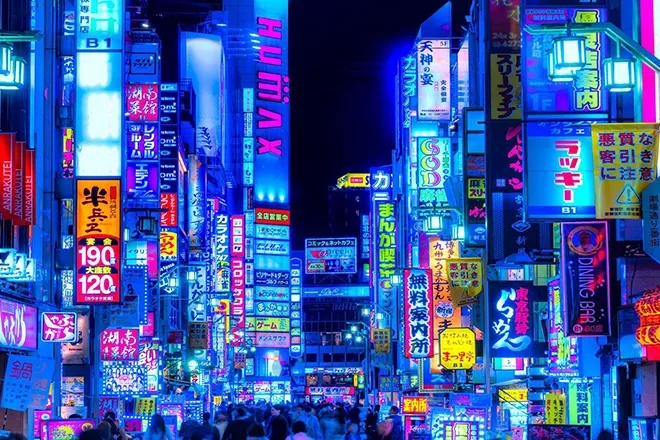
Best Cities to Live in Asia
Asia is home to some of the world's most exciting cities, offering everything from ultra-modern…
@ALXLYNNHD
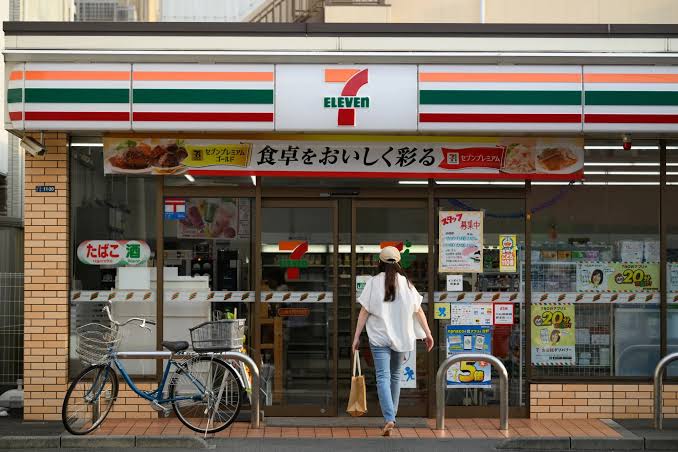
Why Convenience Stores in Japan Are Unlike Anywhere Else
When people think of convenience stores, they usually picture a quick stop for snacks, drinks, or a…
@ALXLYNNHD
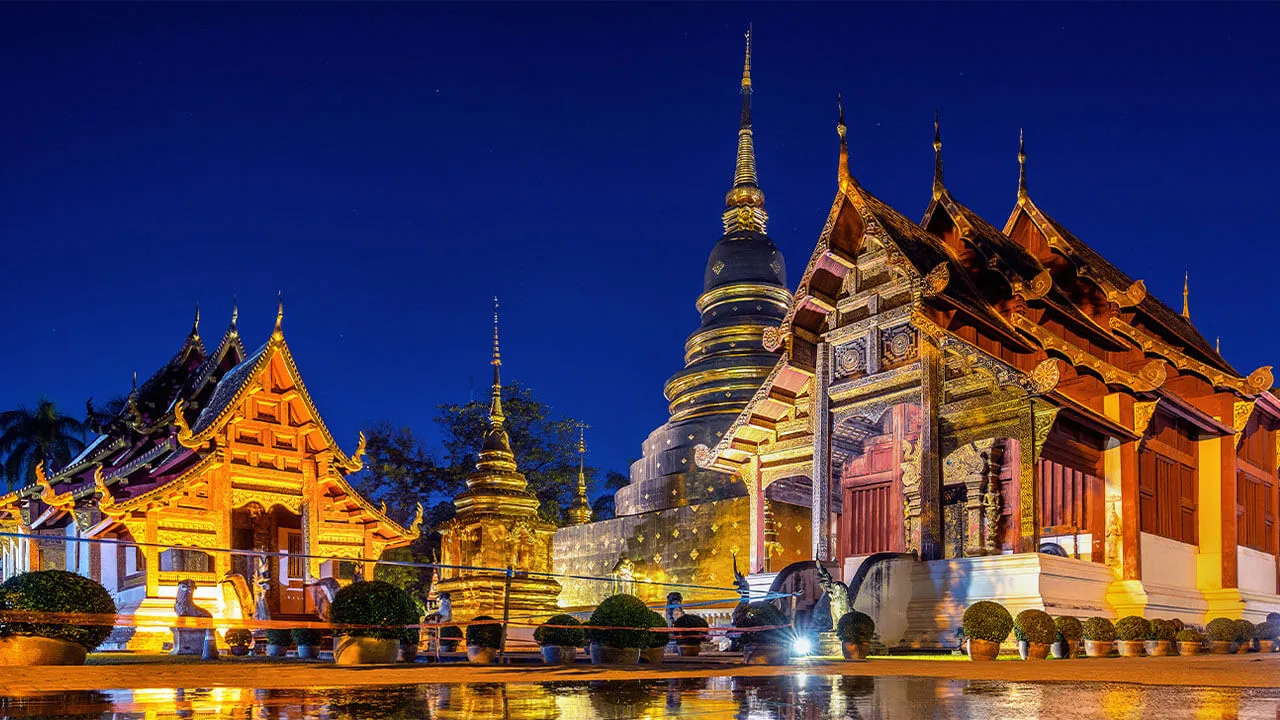
Starting Over in Thailand: Is It Easier Than You Think?
There comes a point in many people's lives when they dream about hitting the reset button. Whether…
@ALXLYNNHD

How the Yakuza Became Japan's Most Infamous Crime Syndicate
For decades, the Yakuza have captured the world's imagination. Known for their elaborate full-body…
@ALXLYNNHD
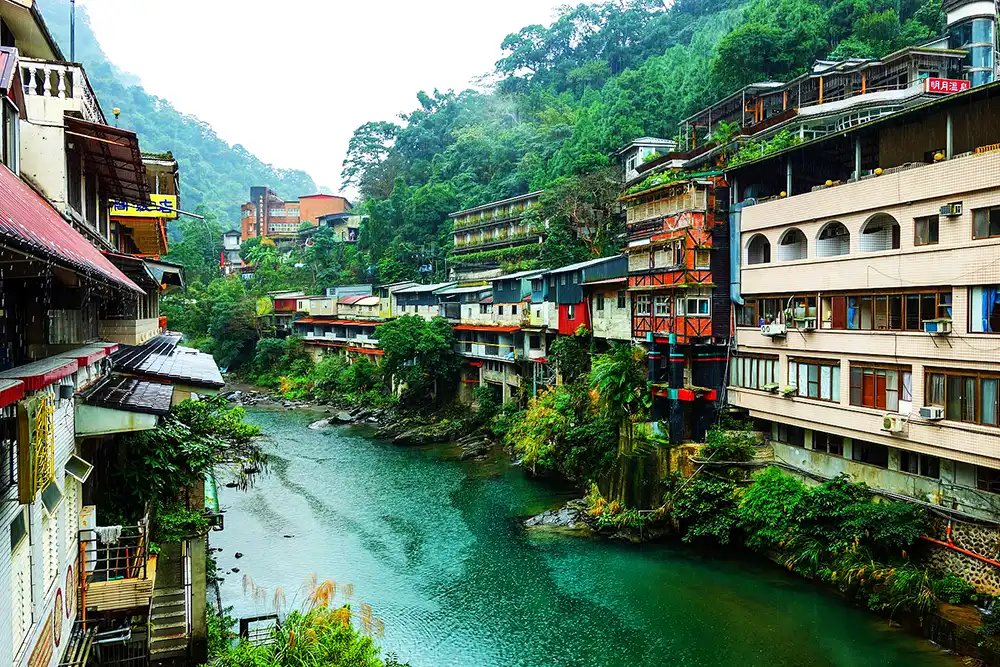
Top 5 Spots to Visit in Taiwan
Taiwan is a destination that effortlessly blends modern cities, breathtaking mountain landscapes…
@ALXLYNNHD

Planning a Trip to Mongolia? Start with These Amazing Destinations
Mongolia is one of the world's last great frontiers. With endless grasslands, towering mountains…
@ALXLYNNHD

How K-Pop Influenced the American Music Scene
Over the past decade, K-pop has transformed from a regional phenomenon into a global cultural force…
@ALXLYNNHD

Why Locals Speak English Even When You Speak Japanese
If you've spent months—or even years—studying Japanese, finally arriving in Japan can be both…