
Korea vs. China: The Race for Tech Innovation in Asia
Posted: Jun. 23, 2026
Asia has become one of the world's most important centers for technological innovation, with South Korea and China emerging as two of the region's strongest competitors. While both nations have built global reputations for technological excellence, they have taken very different paths toward innovation. South Korea focuses on advanced manufacturing, consumer electronics, and semiconductor leadership, while China leverages its massive domestic market, government support, and rapidly growing technology ecosystem.
As the global technology landscape evolves, the competition between Korea and China continues to shape industries ranging from artificial intelligence and semiconductors to electric vehicles and telecommunications.
South Korea's Strengths
South Korea has long been recognized as a technology powerhouse despite its relatively small population. The country consistently ranks among the world's most connected nations and invests heavily in research and development.
Semiconductor Leadership
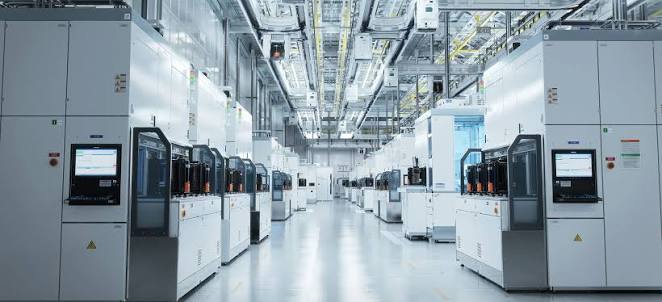
South Korea is home to some of the world's largest semiconductor manufacturers. Companies such as Samsung and SK Hynix play critical roles in producing memory chips that power everything from smartphones to data centers.
The country's expertise in chip manufacturing has made it a vital player in the global technology supply chain, especially as demand for AI computing and cloud infrastructure continues to grow.
Consumer Electronics
Korean brands have become household names worldwide. Samsung and LG have established themselves as leaders in smartphones, televisions, home appliances, and display technology.
South Korea's ability to combine cutting-edge engineering with premium consumer experiences has helped its companies remain competitive in international markets.
Digital Infrastructure
South Korea consistently ranks among the top countries for internet speed and digital connectivity. Early investments in broadband and 5G networks have enabled rapid adoption of new technologies and digital services.
China's Strengths
China's rise as a technology giant has been driven by a combination of scale, investment, and ambitious national strategies.
Massive Domestic Market
With a population exceeding 1.4 billion people, China offers technology companies a vast testing ground for new products and services. This scale allows Chinese firms to gather enormous amounts of data and rapidly iterate on innovations.
Artificial Intelligence
China has made AI development a national priority. Major technology companies such as Baidu, Alibaba, Tencent, and ByteDance invest heavily in machine learning, automation, and generative AI technologies.
Government support and access to large datasets have accelerated China's progress in AI research and commercialization.
Electric Vehicles
China has become the world's largest electric vehicle market. Companies such as BYD, NIO, and XPeng are challenging traditional automotive manufacturers and expanding internationally.
The country's dominance in battery production and EV supply chains gives it a significant advantage in the transition toward sustainable transportation.
The Semiconductor Battle
One of the most important fronts in the Korea-China technology race is semiconductors.
South Korea currently maintains a strong lead in advanced memory chip production, while China is investing billions of dollars to reduce dependence on foreign suppliers and strengthen domestic chip manufacturing capabilities.
As artificial intelligence drives unprecedented demand for computing power, semiconductor leadership will remain a key factor in determining technological influence and economic competitiveness.
Innovation Models: Different Approaches
Although both countries pursue technological leadership, their innovation models differ significantly.
South Korea
- Strong focus on research and development
- Global consumer brands
- Advanced manufacturing expertise
- Export-driven growth
- High-tech specialization
China
- Large-scale government support
- Massive domestic market
- Rapid product iteration
- Expanding startup ecosystem
- Aggressive investment in emerging technologies
These contrasting approaches create unique strengths and challenges for each nation.
Challenges Ahead
South Korea
South Korea faces challenges related to population decline, talent retention, and increasing global competition. Maintaining leadership in semiconductors and next-generation technologies will require continued investment and innovation.
China
China must navigate geopolitical tensions, technology restrictions, and efforts by other countries to diversify supply chains. Continued innovation will depend on balancing government support with entrepreneurial growth and global collaboration.
Who Is Winning?
The answer depends on the sector.
- South Korea leads in memory semiconductors and premium consumer electronics.
- China dominates electric vehicles, e-commerce, and large-scale AI deployment.
- Both countries are investing heavily in future technologies such as quantum computing, robotics, and advanced manufacturing.
Rather than producing a single winner, this competition is driving innovation throughout Asia and accelerating technological progress worldwide.
The race between South Korea and China represents one of the most significant technology competitions of the 21st century. South Korea's strengths in semiconductors, electronics, and digital infrastructure contrast with China's scale, AI ambitions, and manufacturing capabilities.
As emerging technologies reshape the global economy, both nations will continue to influence how the future is built. Whether through smarter devices, faster networks, advanced AI systems, or cleaner transportation, the innovations coming from Korea and China will play a major role in defining the next era of technological development.
You May Like

@ALXLYNNHD

How AI Is Changing Daily Life in Japan, China, and South Korea
Artificial intelligence (AI) is no longer something reserved for science fiction or research labs…
@ALXLYNNHD
Why Taiwan Leads the Semiconductor Industry
Semiconductors are the foundation of modern technology. They power smartphones, laptops, gaming…
@ALXLYNNHD

Why South Korea Has Some of the Fastest Internet Speeds
When people think of technological innovation, South Korea is often one of the first countries that…
@ALXLYNNHD

5 Tips to Get Internet When Abroad
Staying connected while traveling has become more important than ever. Whether you're navigating a…
@ALXLYNNHD

Where to Look for a Tech Job in Asia
Asia has become one of the world's fastest-growing technology hubs, offering opportunities for…
@ALXLYNNHD

Top 3 Sites to Watch Local TV Across Asia
Asia is home to thousands of television channels covering news, sports, entertainment, culture, and…
@ALXLYNNHD

How You Can Use YouTube to Learn Japanese, Chinese, or Any Asian Language
Learning a new language can feel overwhelming at first, especially when the writing system…
@ALXLYNNHD
What is the Best Mobile Service for Traveling All of Asia?
Traveling across Asia is exciting, but staying connected can quickly become confusing. Each country…