
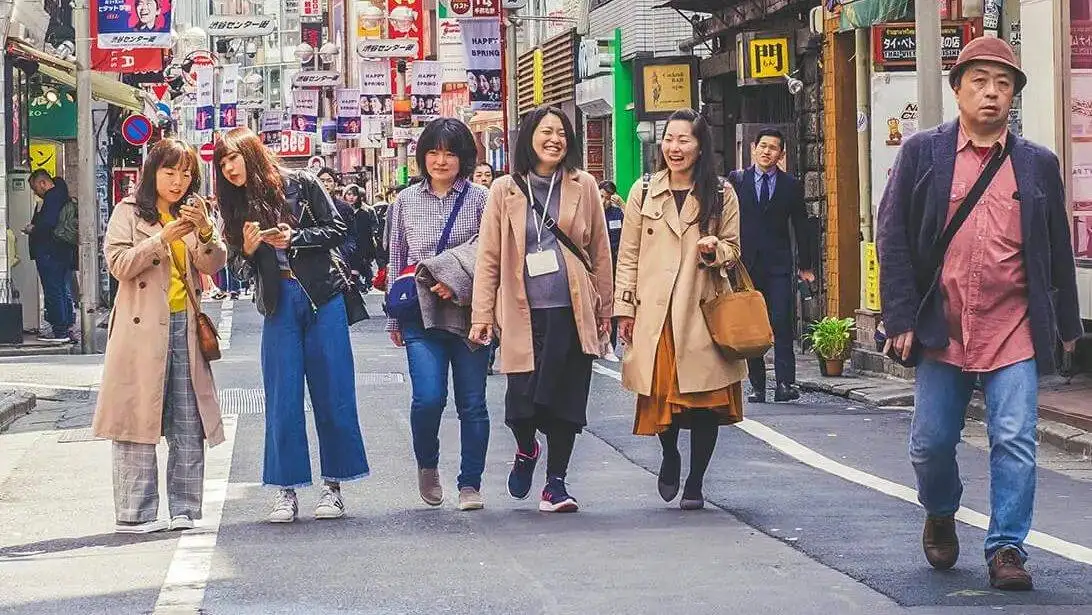
Japanese street fashion has inspired designers, celebrities, and fashion lovers around the world. From the colorful streets of Harajuku to the sleek minimalism seen in Tokyo's trendiest neighborhoods, Japan has become one of the world's leading fashion capitals. But what makes Japanese street fashion so unique, and why does it continue to influence global style?
A Culture That Encourages Individuality
Unlike many fashion scenes that revolve around following seasonal trends, Japanese street fashion often celebrates self-expression. Many people use clothing as a way to showcase their personality rather than simply wearing what's popular.
This mindset has led to countless creative styles that mix vintage pieces, luxury brands, handmade accessories, and thrifted clothing into one cohesive outfit. The result is a fashion culture where originality is often valued more than fitting in.
Harajuku: The Heart of Japanese Street Style
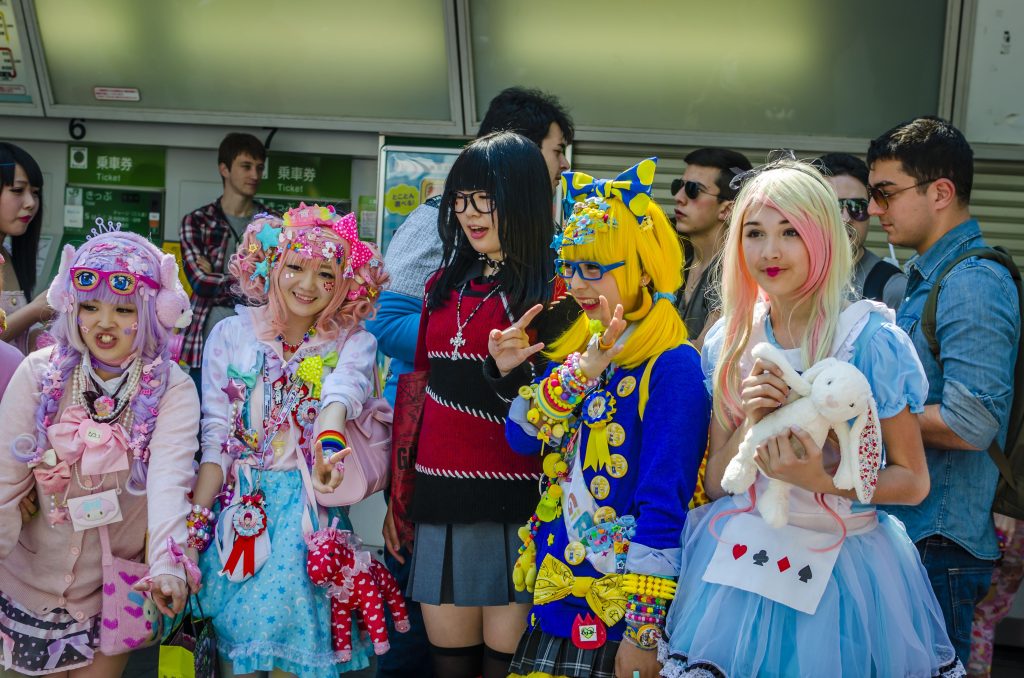
No discussion of Japanese street fashion would be complete without mentioning Harajuku.
Located in Tokyo, Harajuku became internationally famous during the 1990s and early 2000s as young people gathered around Takeshita Street to show off bold, experimental outfits. Visitors could see everything from pastel-colored Lolita dresses to punk-inspired clothing, oversized silhouettes, and futuristic accessories.
Harajuku proved that fashion didn't have to follow traditional rules—it could be fun, artistic, and constantly evolving.
The Influence of Fashion Subcultures
Japanese street fashion isn't just one style. It's a collection of many unique subcultures, including:
- Lolita Fashion – Victorian-inspired dresses, lace, bows, and elegant accessories.
- Decora – Bright colors, layered clothing, and dozens of playful accessories.
- Visual Kei – A dramatic style influenced by Japanese rock bands featuring makeup, elaborate hairstyles, and gothic elements.
- Gyaru – Glamorous fashion known for bold makeup, dyed hair, and trendy clothing.
- Mori Kei – Soft, earthy clothing inspired by nature and a cozy woodland aesthetic.
Each style developed its own community while contributing to Japan's reputation for fashion innovation.
High Fashion Meets Streetwear

One reason Japanese fashion stands out is its ability to blend luxury with casual wear.
It's common to see outfits mixing designer pieces with affordable basics, vintage jackets, sneakers, and handmade accessories. This approach has inspired fashion enthusiasts worldwide to experiment instead of relying entirely on expensive labels.
Japanese designers have also helped redefine modern streetwear by focusing on craftsmanship, unique silhouettes, and premium materials.
Influence on Global Fashion Brands
Many international fashion brands have borrowed ideas from Japanese street fashion over the years.
Oversized clothing, layered outfits, utility-inspired designs, minimalist aesthetics, and bold graphic prints have all appeared on runways across Europe and North America. Collaborations between Japanese designers and global brands have further strengthened Japan's impact on the fashion industry.
Today, fashion trends that first gained popularity in Tokyo often spread globally through social media within weeks.
The Power of Anime and Pop Culture
Anime, manga, music, and video games have also helped introduce Japanese fashion to international audiences.
Characters with distinctive clothing styles often inspire real-life outfits at conventions, cosplay events, and even everyday fashion. Meanwhile, Japanese idols, musicians, and influencers frequently introduce new trends that quickly gain attention online.
The connection between entertainment and fashion has made Japanese street style even more recognizable around the world.
Social Media Accelerated Its Reach
Platforms like Instagram, TikTok, and YouTube have made it easier than ever to discover Japanese fashion.
Fashion creators regularly share:
- Outfit inspiration
- Shopping hauls
- Tokyo street interviews
- Vintage store tours
- Styling tips
- Seasonal trend guides
These videos allow people worldwide to experience Japanese fashion without traveling to Japan, helping trends spread much faster than in previous decades.
Sustainability Through Vintage Shopping
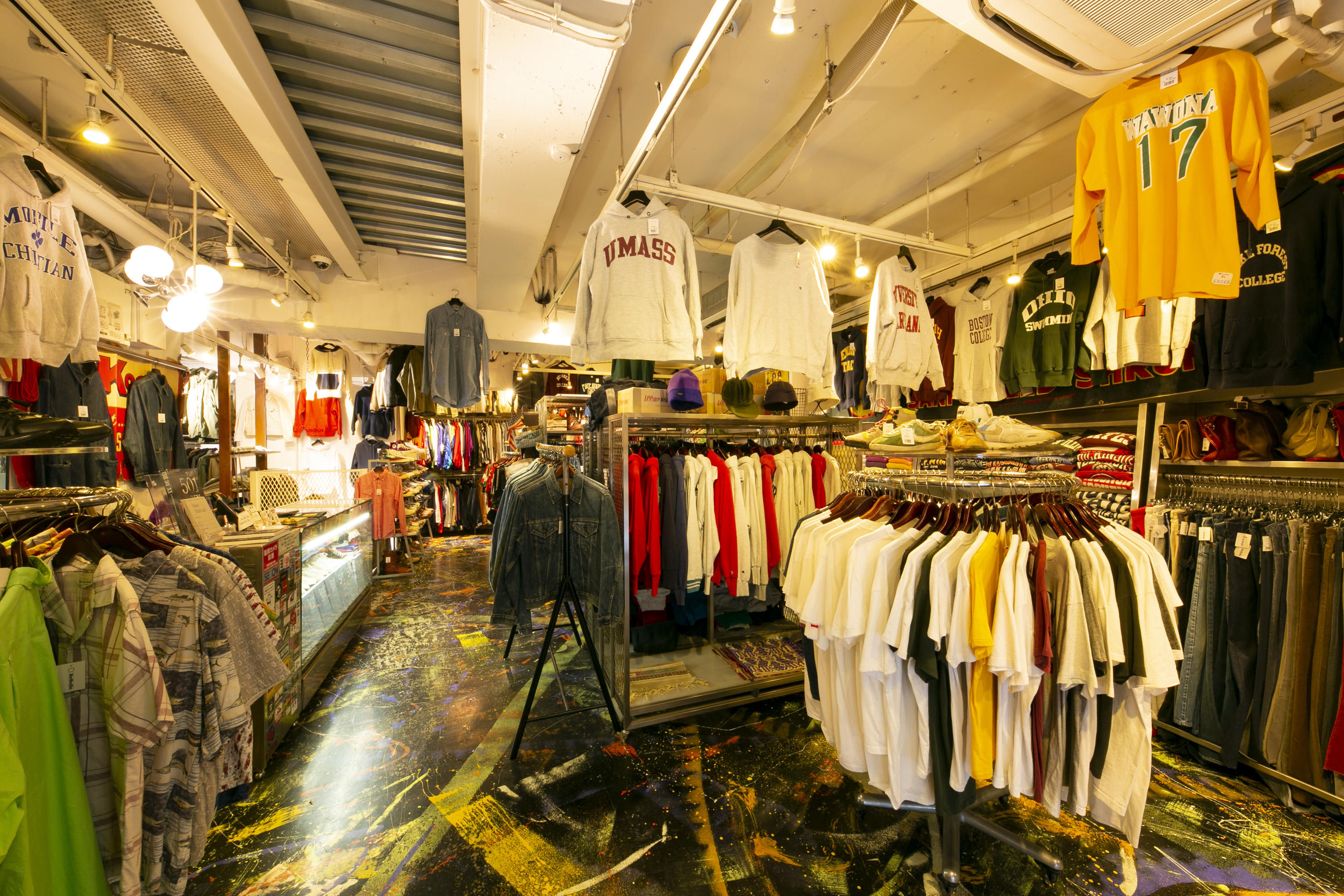
Japan is also known for its thriving secondhand fashion scene.
Many shoppers enjoy browsing carefully curated vintage stores where clothing is often kept in excellent condition. Buying pre-owned clothing has become part of Japanese fashion culture, encouraging sustainable shopping while giving unique pieces a second life.
This emphasis on quality and longevity has inspired many fashion enthusiasts outside Japan to embrace thrift shopping as well.
Why Designers Look to Japan
Fashion designers often visit Tokyo to discover fresh ideas because Japanese street fashion constantly evolves.
Rather than relying solely on fashion weeks, trends frequently emerge directly from young creatives experimenting with new silhouettes, textures, and color combinations on city streets. This organic creativity makes Japan an endless source of inspiration for both independent designers and luxury fashion houses.
Fashion Without Fear
Perhaps the biggest reason Japanese street fashion remains so influential is its fearless attitude.
Whether someone prefers minimalist outfits, colorful accessories, vintage clothing, or avant-garde designs, Japanese fashion encourages confidence and creativity. Instead of asking, "Will everyone else wear this?" many people ask, "Does this express who I am?"
That philosophy resonates with fashion lovers everywhere and continues to shape trends across the globe.
Japanese street fashion has become much more than a local trend—it's a worldwide source of inspiration that blends creativity, craftsmanship, individuality, and cultural expression. From the iconic streets of Harajuku to social media feeds around the globe, its influence can be seen in everything from luxury collections to everyday casual wear.
As fashion continues to evolve, Japan's willingness to embrace originality ensures that its street style will remain one of the most influential forces in the industry for years to come.
Want to write on MochiiCorp?
Join MochiiCorp as a contributor and showcase your unique voice while sharing stories, insights, and trends across Asian inspired culture, technology, and lifestyle.
You May Like

Asian fashion has become one of the most influential forces in the global fashion industry. From…
Batik is one of Indonesia's most recognizable traditional art forms. Known for its intricate…
The adidas “Chinese jacket” has become one of the biggest unexpected fashion trends of 2026. On…
Seoul has become one of the most exciting fashion capitals in Asia, blending traditional Korean…
Modest fashion is no longer a niche market it has become one of Southeast Asia's fastest-growing…
The kimono is one of Japan's most iconic traditional garments, recognized worldwide for its elegance…
Traveling across Asia is an exciting experience filled with diverse cultures, climates, and fashion…
Fashion is often described as a universal language, but the reality is that clothing choices are…