
Why Bubble Tea Became a Global Phenomenon
Posted: Jul. 10, 2026
Bubble tea, also known as boba tea or pearl milk tea, has transformed from a local Taiwanese favorite into one of the world's most recognizable beverages. Whether you're walking through New York, Tokyo, London, Manila, or Sydney, chances are you'll find a bubble tea shop with customers lining up for their favorite drink.
So, what made bubble tea such a worldwide success? The answer lies in its unique combination of flavor, customization, social media appeal, and cultural influence.
The Origins of Bubble Tea
Bubble tea first appeared in Taiwan during the 1980s. While there are multiple stories about its exact origin, most agree that tea shops began experimenting by combining freshly brewed tea, milk, sweeteners, and chewy tapioca pearls. The result was unlike anything consumers had tasted before.
The "bubbles" in bubble tea originally referred to the frothy foam created when the drink was shaken, although today most people associate the name with the chewy tapioca pearls at the bottom of the cup.
Endless Customization
One of bubble tea's biggest strengths is its incredible variety. Unlike traditional coffee or soft drinks, bubble tea can be customized in almost every way imaginable.
Customers can choose:
- Black, green, oolong, jasmine, or herbal tea
- Milk or non-dairy alternatives
- Fruit flavors
- Sugar level
- Ice level
- Multiple toppings
Popular toppings include:
- Tapioca pearls
- Popping boba
- Grass jelly
- Aloe vera
- Coconut jelly
- Red beans
- Egg pudding
This level of personalization means nearly everyone can create a drink that matches their tastes.
Social Media Played a Huge Role
Bubble tea is one of the most photogenic drinks available.
Its colorful layers, transparent cups, oversized straws, and vibrant toppings make it highly shareable on platforms like Instagram, TikTok, and YouTube. Viral videos featuring colorful drinks, satisfying tapioca pearl preparation, and taste tests helped introduce bubble tea to millions of new consumers around the world.
Many bubble tea shops also design aesthetically pleasing interiors specifically for customers looking to share their experience online.
A Perfect Blend of East and West
As Asian cuisine gained popularity globally, bubble tea naturally followed.
Consumers became more interested in trying foods and beverages from Taiwan, Japan, South Korea, China, Thailand, and other parts of Asia. Bubble tea became an approachable way for people to explore Asian food culture without stepping too far outside their comfort zones.
Its familiar tea base combined with unique textures created a balance between something recognizable and something completely new.
Innovation Keeps Customers Coming Back
Bubble tea isn't just one drink—it's an entire category of beverages that constantly evolves.
Modern shops regularly introduce:
- Brown sugar milk tea
- Cheese foam tea
- Matcha lattes
- Taro milk tea
- Seasonal fruit teas
- Yogurt drinks
- Sparkling teas
Limited-time flavors encourage customers to return frequently and try the newest creations.
Appealing to Younger Generations
Bubble tea has become especially popular among Millennials and Generation Z.
Many younger consumers value experiences as much as products, and bubble tea delivers both. Visiting a new bubble tea shop has become a social activity, whether it's meeting friends after school, grabbing a drink while shopping, or exploring new flavors together.
The drink has also become closely associated with modern Asian pop culture, including anime, K-pop, and street fashion, further increasing its appeal.
The Rise of International Bubble Tea Chains
Large bubble tea brands have expanded aggressively over the past decade.
International franchises have opened thousands of locations across North America, Europe, Australia, and Southeast Asia. Their consistent quality and recognizable branding have made it easier for new customers to try bubble tea for the first time.
At the same time, independent local tea shops continue to innovate, creating regional flavors and unique menu offerings that keep the industry fresh.
More Than Just a Drink
For many people, bubble tea represents more than refreshment.
It serves as:
- A social gathering spot
- A connection to Taiwanese culture
- A comfort drink
- A trendy treat
- A customizable dessert
This emotional connection has helped build loyal communities around bubble tea brands worldwide.
What the Future Holds
The bubble tea industry continues to grow as consumers seek new flavors, healthier ingredients, and more sustainable packaging.
Many shops now offer:
- Reduced-sugar options
- Plant-based milk alternatives
- Fresh fruit ingredients
- Eco-friendly cups and straws
- Premium loose-leaf teas
As the beverage continues evolving, it's likely that bubble tea will remain one of the world's most popular specialty drinks for years to come.
Bubble tea's rise from a Taiwanese innovation to a global phenomenon is a testament to the power of creativity, customization, and cultural exchange. Its endless flavor combinations, playful textures, and strong social media presence have allowed it to capture the attention of millions across every continent.
Whether you enjoy a classic milk tea with tapioca pearls or prefer a refreshing fruit tea with popping boba, bubble tea offers something for everyone—and that's exactly why its popularity shows no signs of slowing down.
You May Like

@ALXLYNNHD
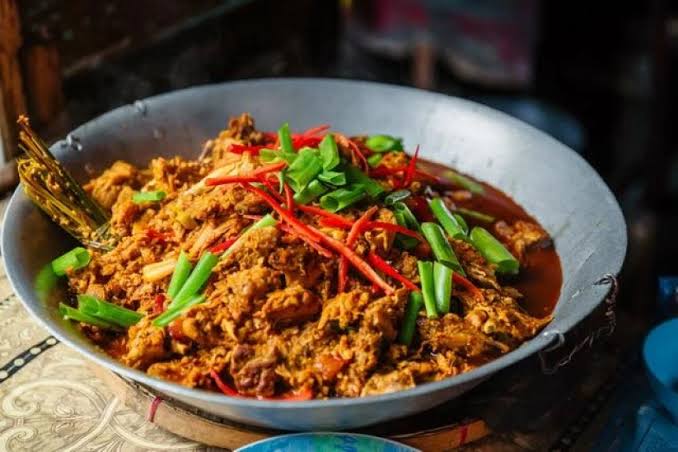
The Story of PagPag: What It Is and What It Isn't
When people first hear the word pagpag, it's often accompanied by shocking headlines, viral videos…
@ALXLYNNHD
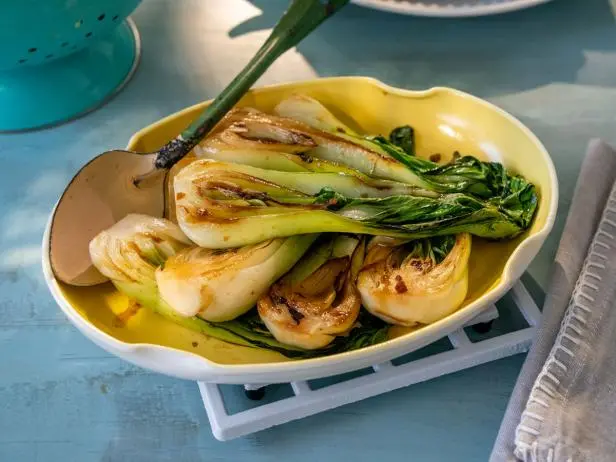
Easy and Flavorful Bok Choy Recipes You'll Love
Bok choy is one of the most versatile leafy vegetables you can keep in your kitchen. With its crisp…
@ALXLYNNHD
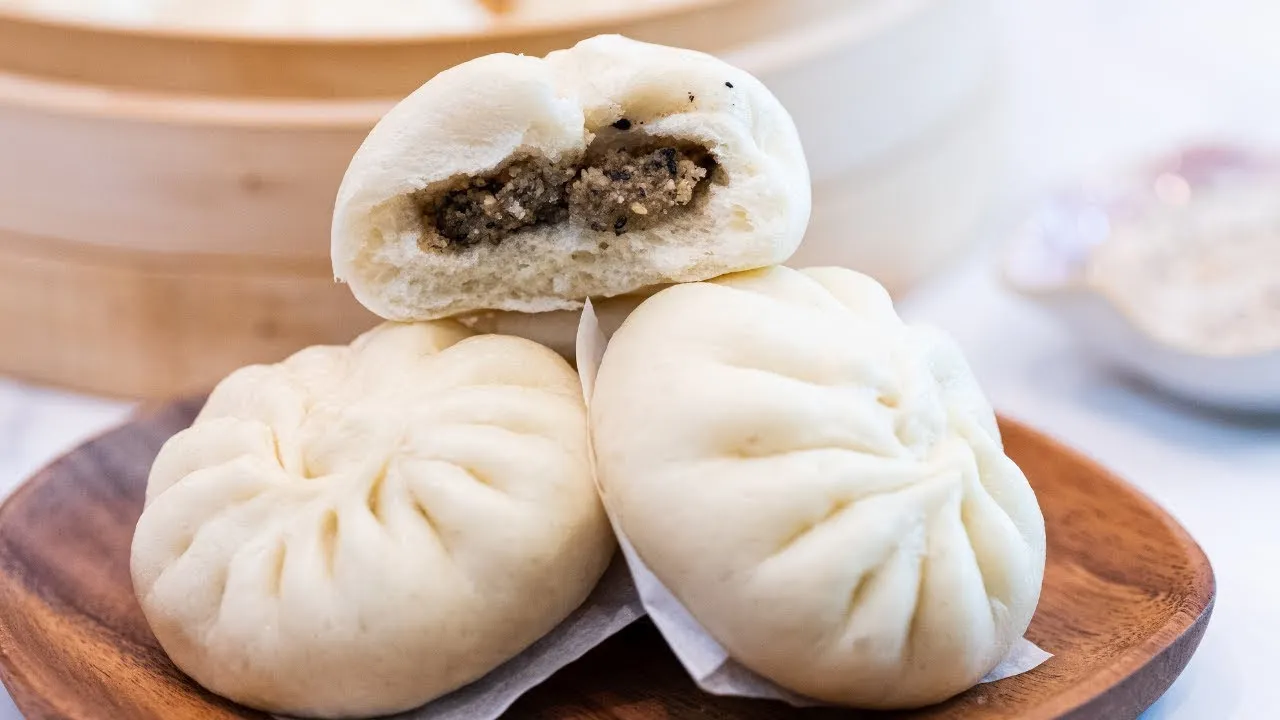
What Are Bao Buns?
Soft, fluffy, and packed with flavor here's everything you need to know about one of Asia's most…
@ALXLYNNHD
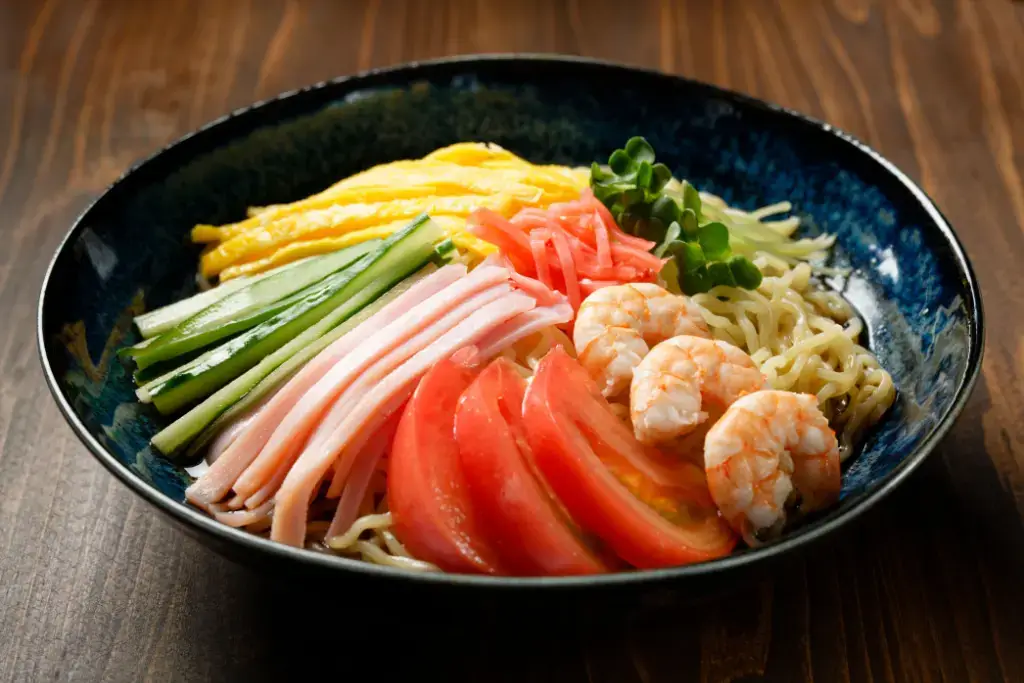
How to Make Japanese-Style Cold Ramen
When the weather turns hot, few dishes are as refreshing and satisfying as Japanese-style cold ramen…
@ALXLYNNHD

Why Many People Avoid Drinking Tap Water in China
If you've ever traveled to China, one piece of advice you're likely to hear is simple: don't drink…
@ALXLYNNHD
5 Ways You Can Spice Up Your Dim Sum
Dim sum is beloved for its delicate flavors, variety, and shareable nature. From steamed dumplings…
@ALXLYNNHD
How to Make Kimchi at Home
Kimchi is one of Korea’s most iconic foods—spicy, tangy, and deeply flavorful. At its core, kimchi…
@ALXLYNNHD
How to Make American Style Chinese Food More Authentic
American Chinese food has become its own culinary tradition, combining Chinese cooking techniques…