
Singapore is one of the most unique places to live in Asia. Known for its modern skyline, excellent public transportation, diverse food culture, and incredibly clean streets, the city-state combines the conveniences of a major global city with a distinctly Southeast Asian identity.
But what is everyday life actually like in Singapore? From getting around the city to finding food, managing expenses, and experiencing the local culture, here's what you can expect from life in Singapore.
A City That Feels Like the Future
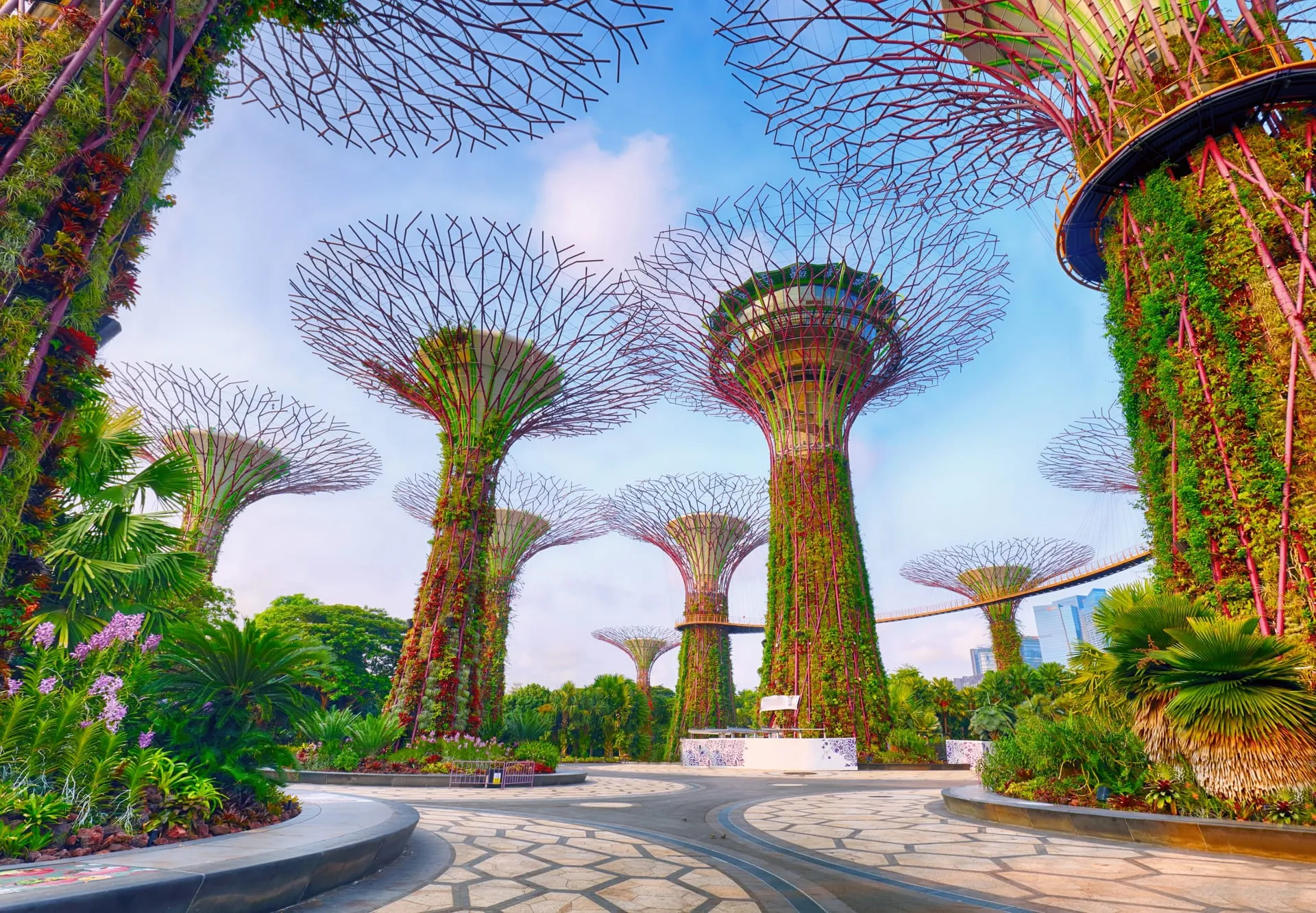
One of the first things you may notice about Singapore is how modern it feels.
The city is filled with skyscrapers, futuristic buildings, massive shopping malls, efficient infrastructure, and carefully designed public spaces. Areas such as Marina Bay can feel almost futuristic, especially at night when the skyline lights up.
At the same time, Singapore hasn't completely sacrificed its older neighborhoods and cultural identity. Places such as Chinatown, Little India, and Kampong Glam offer a very different atmosphere from the financial district.
That contrast is one of the things that makes Singapore interesting: modern skyscrapers and historic neighborhoods can exist just minutes apart.
Getting Around Singapore

Living in Singapore without a car is surprisingly easy.
The city's MRT system is one of the main reasons. Trains connect much of the island, while buses cover areas that aren't directly served by rail.
For many residents, public transportation is simply part of everyday life.
You can live in one neighborhood, work across the city, meet friends somewhere else, and get around without needing to own a vehicle.
Walking is also common, although Singapore's tropical climate can make long walks feel considerably warmer than they look on a map.
The Weather Takes Some Getting Used To
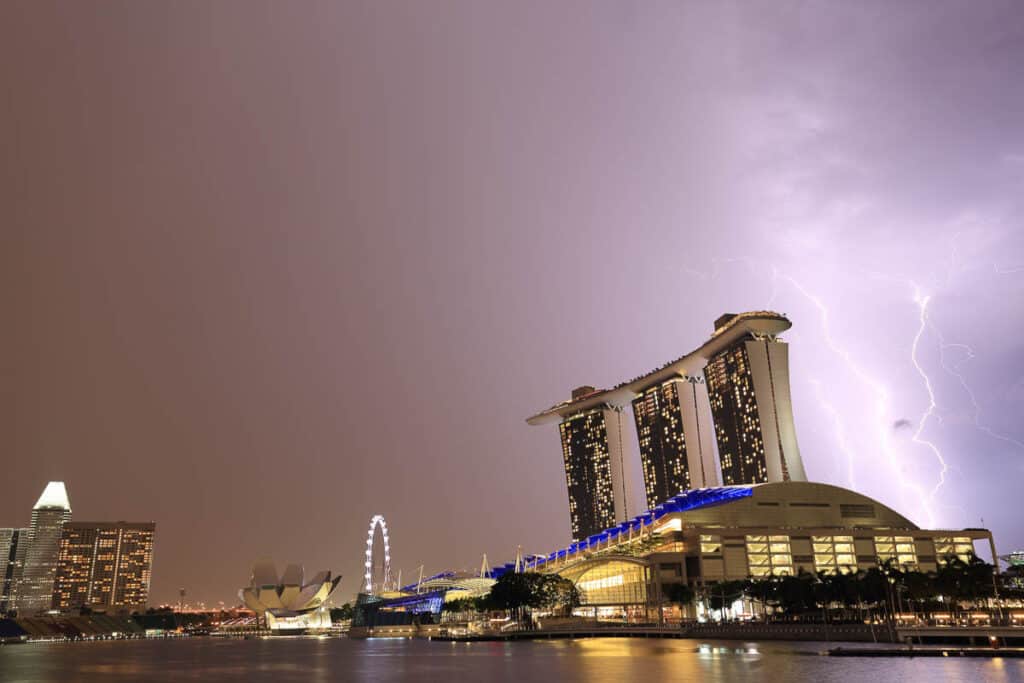
Singapore has a tropical climate, meaning it is generally hot and humid throughout the year.
Instead of four traditional seasons, you're more likely to experience variations of:
- Hot
- Very hot
- Humid
- Rainy
Rain can arrive suddenly, sometimes turning a sunny afternoon into a heavy downpour within minutes.
The good news is that air conditioning is extremely common. Shopping malls, trains, offices, restaurants, and many other indoor spaces are designed with Singapore's climate in mind.
If you're moving from a cooler country, however, the heat and humidity may take some time to adjust to.
Food Is a Huge Part of Everyday Life
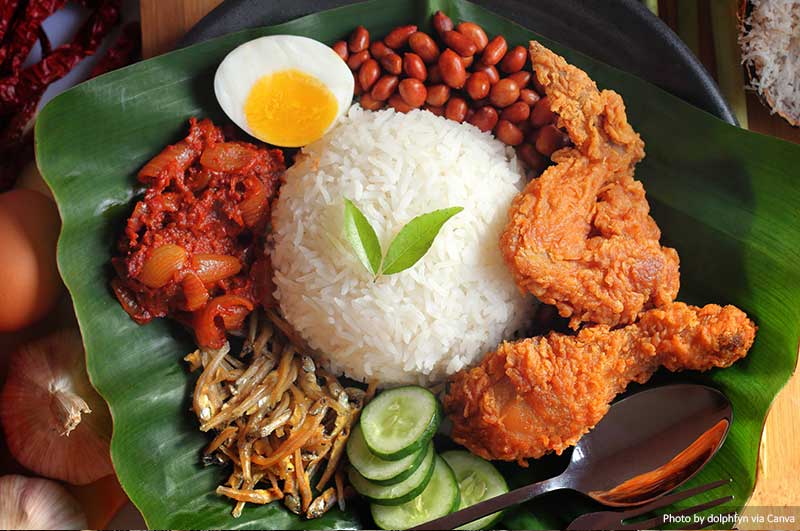
One of the best things about living in Singapore is the food.
Singapore's population has strong Chinese, Malay, Indian, and other cultural influences, and those influences are reflected heavily in its food scene.
Hawker centres are particularly important to Singaporean food culture.
You can find dishes such as:
- Hainanese chicken rice
- Laksa
- Char kway teow
- Nasi lemak
- Roti prata
- Satay
- Chili crab
- Bak kut teh
Hawker centres also make it possible to experience a huge variety of food without always having to visit expensive restaurants.
For food lovers, Singapore can feel like having an entire food tour available every day.
Different Neighborhoods, Different Experiences
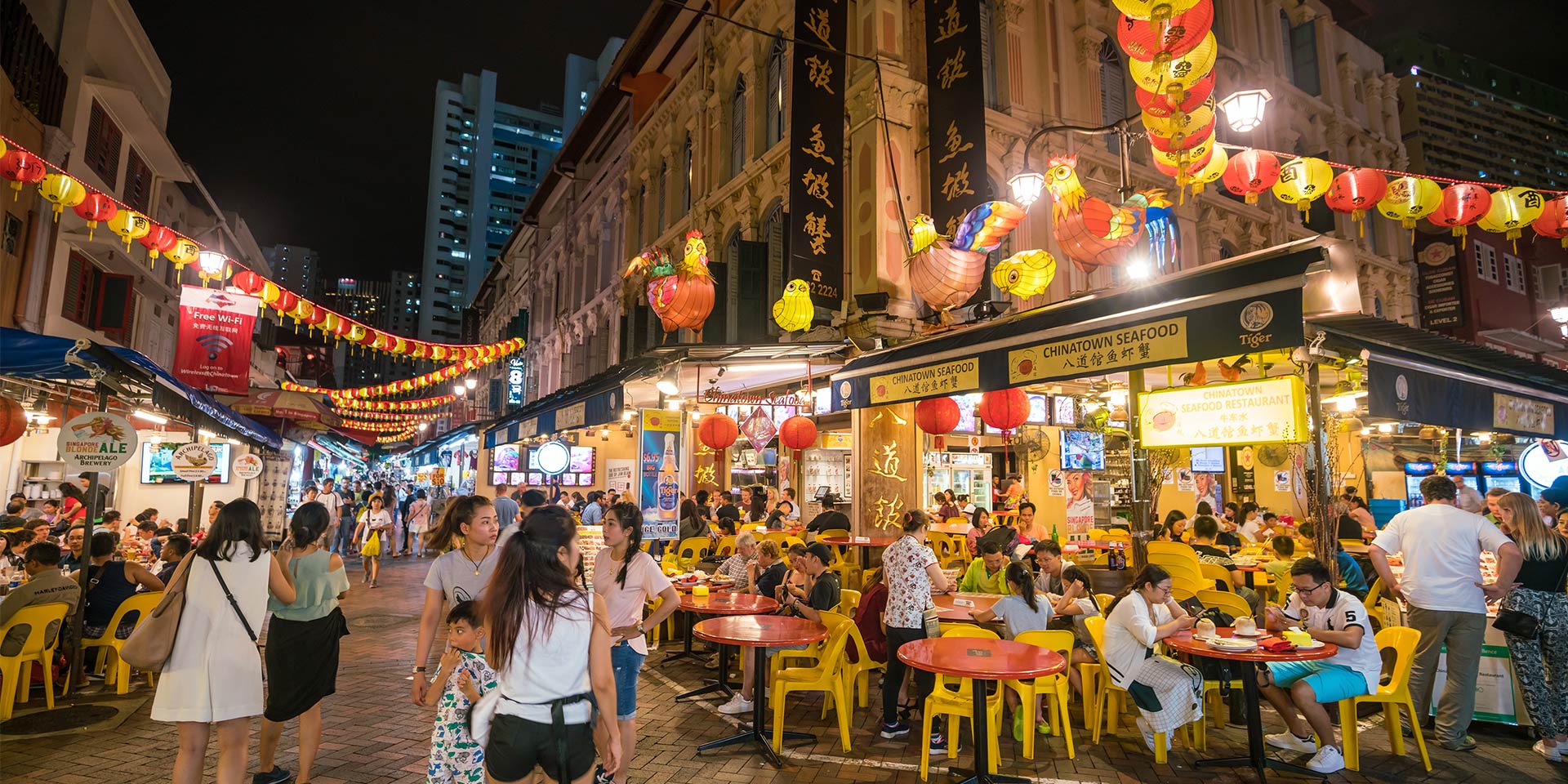
Singapore may be geographically small, but its neighborhoods can feel surprisingly different.
Marina Bay is associated with skyscrapers, luxury hotels, attractions, and Singapore's modern skyline.
Chinatown combines traditional architecture, temples, restaurants, markets, and modern businesses.
Little India is known for colorful buildings, Indian restaurants, shops, and cultural landmarks.
Kampong Glam has a strong Malay and Arab influence and is known for places such as Haji Lane and the Sultan Mosque.
Tiong Bahru is known for its distinctive architecture, cafés, restaurants, and relaxed neighborhood atmosphere.
This variety means you don't necessarily have to travel far to experience a completely different side of the city.
The Cost of Living Can Be High
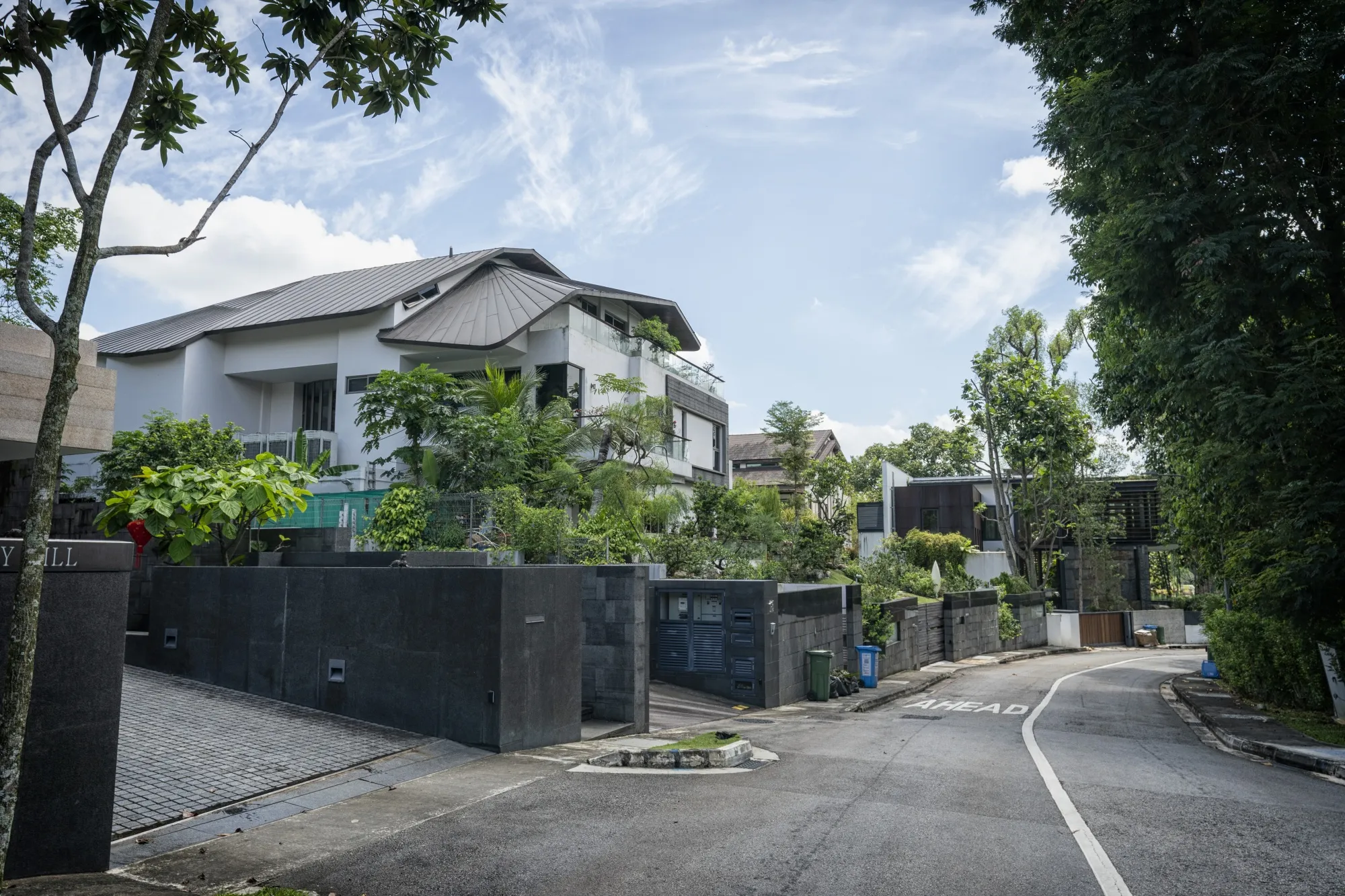
Singapore is often considered one of the more expensive cities in Asia.
Housing can be particularly expensive, especially if you want to live in a central or highly desirable area.
However, your lifestyle makes a significant difference.
Eating at restaurants, shopping frequently, living in a central neighborhood, and using private transportation can quickly increase your expenses.
On the other hand, public transportation and hawker food can make certain parts of daily life much more affordable.
For someone considering moving to Singapore, housing and lifestyle choices are two of the biggest factors to consider when creating a budget.
What Is Housing Like?
Singapore has a unique housing system compared with many other countries.
A large portion of residents live in Housing & Development Board (HDB) apartments. These aren't simply basic apartment buildings; many HDB neighborhoods are large communities containing shops, food options, playgrounds, parks, schools, and transportation connections.
Private condominiums are another option and often provide additional amenities such as swimming pools, gyms, and security.
For newcomers, rental prices can be one of the biggest challenges, particularly if they want a larger apartment or a central location.
It's Extremely Multicultural
Singapore's multicultural environment is one of its defining characteristics.
English is widely used and is one of Singapore's official languages, while Mandarin Chinese, Malay, and Tamil are also official languages.
You can hear different languages throughout the city, experience different religious traditions, and eat food from multiple cultures in the same neighborhood.
This multicultural environment can make Singapore feel particularly welcoming to people who enjoy living around different cultures.
Shopping Is Everywhere
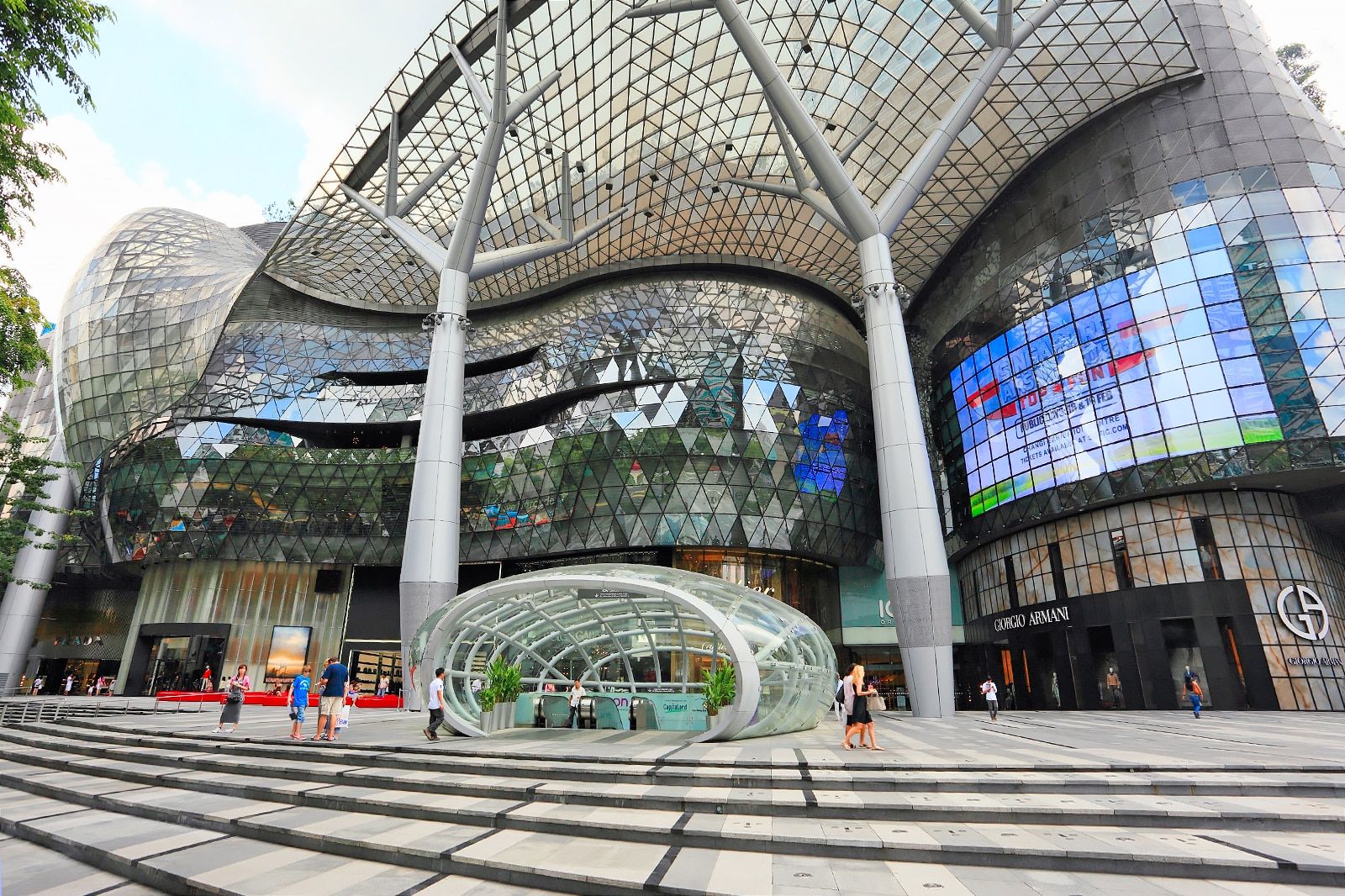
Singapore is a paradise for people who enjoy shopping.
From massive malls to small independent stores, there are plenty of places to shop.
Orchard Road is one of the city's best-known shopping areas, featuring department stores, fashion brands, luxury retailers, restaurants, and entertainment.
But shopping isn't limited to luxury brands. Neighborhood malls and smaller shopping areas offer everything from groceries and electronics to clothing and everyday necessities.
Singapore Is Surprisingly Green
Despite its reputation as a highly urbanized city, Singapore has an impressive amount of greenery.
Parks, gardens, trees, walking paths, and landscaped public spaces are spread throughout the city.
Gardens by the Bay is probably the most famous example, but the Singapore Botanic Gardens and numerous neighborhood parks also provide places to escape the intensity of the city.
This balance between urban development and greenery is one of Singapore's most recognizable characteristics.
Safety and Rules
Singapore is widely known for being orderly and safe.
The city has strict laws and regulations covering many aspects of everyday life. Rules that might seem minor to visitors can be taken seriously.
For residents, this creates an environment where public spaces tend to be well maintained and organized.
The trade-off is that Singapore can feel more regulated than some other major cities.
For some people, that sense of order is one of Singapore's biggest advantages. For others, the strict rules may take some adjustment.
Working in Singapore
Singapore is an important business and financial hub in Asia.
The city has strong industries in areas such as finance, technology, logistics, healthcare, tourism, manufacturing, and international business.
Its location also makes it a convenient base for traveling around Southeast Asia.
For international workers, however, employment and immigration requirements depend on factors such as qualifications, occupation, salary, and the type of work pass involved.
Anyone considering relocating for work should research the current requirements before making plans.
What Do People Do After Work?
Singapore may be a business-focused city, but there is plenty to do outside of work.
Residents can spend an evening exploring restaurants, visiting cafés, shopping, going to the movies, meeting friends, exercising, visiting attractions, or simply relaxing at home.
The city also has a lively nightlife scene, particularly around areas such as Clarke Quay and Marina Bay.
And because Singapore is relatively compact, it's possible to experience many different parts of the city without spending hours commuting.
Singapore Is a Great Base for Exploring Asia
Another major advantage is Singapore's location.
From Singapore, travelers can relatively easily reach destinations across Southeast Asia and beyond.
Popular nearby destinations include Malaysia, Thailand, Indonesia, Vietnam, Cambodia, and the Philippines.
For someone who loves traveling, living in Singapore can make weekend and short international trips much easier than they might be from many other parts of the world.
What Makes Singapore Special?
Ultimately, Singapore is a city of contrasts.
It is modern but deeply connected to tradition. It is densely populated but filled with greenery. It is expensive in many areas but still offers affordable everyday food options. It feels highly international while maintaining a strong local identity.
For some people, Singapore's biggest attraction is its convenience.
For others, it's the food, multicultural environment, safety, career opportunities, or access to the rest of Asia.
Living in Singapore can feel like living in a city designed around convenience, efficiency, and multiculturalism.
You can eat inexpensive hawker food in the afternoon, walk through a historic neighborhood, take an incredibly efficient train across the city, shop in a massive modern mall, and end the evening looking at one of Asia's most recognizable skylines.
It isn't perfect. The cost of housing can be high, the tropical weather isn't for everyone, and the strict rules may require an adjustment.
But if you value clean cities, great food, public transportation, career opportunities, multicultural communities, and easy access to the rest of Asia, Singapore can be an incredibly appealing place to call home.
Want to write on MochiiCorp?
Join MochiiCorp as a contributor and showcase your unique voice while sharing stories, insights, and trends across Asian inspired culture, technology, and lifestyle.
You May Like


The history between China and the United States is long, complex, and shaped by trade, diplomacy…
In Indonesia, there is a cultural tradition that represents cooperation, community, and helping one…
Family is at the heart of Filipino culture. Whether living in the Philippines or abroad, many…
Vietnam is a country where ancient traditions and modern ambitions exist side by side. Two cities…
If you've ever watched a Japanese apartment tour on YouTube or scrolled through social media, you've…
Disclaimer: While Saipan is a U.S. Commonwealth located in the Northern Mariana Islands and is not…

Southeast Asia has become one of the world's most popular regions for digital nomads. Affordable…
For generations, many Asian societies have placed a strong emphasis on family living…